
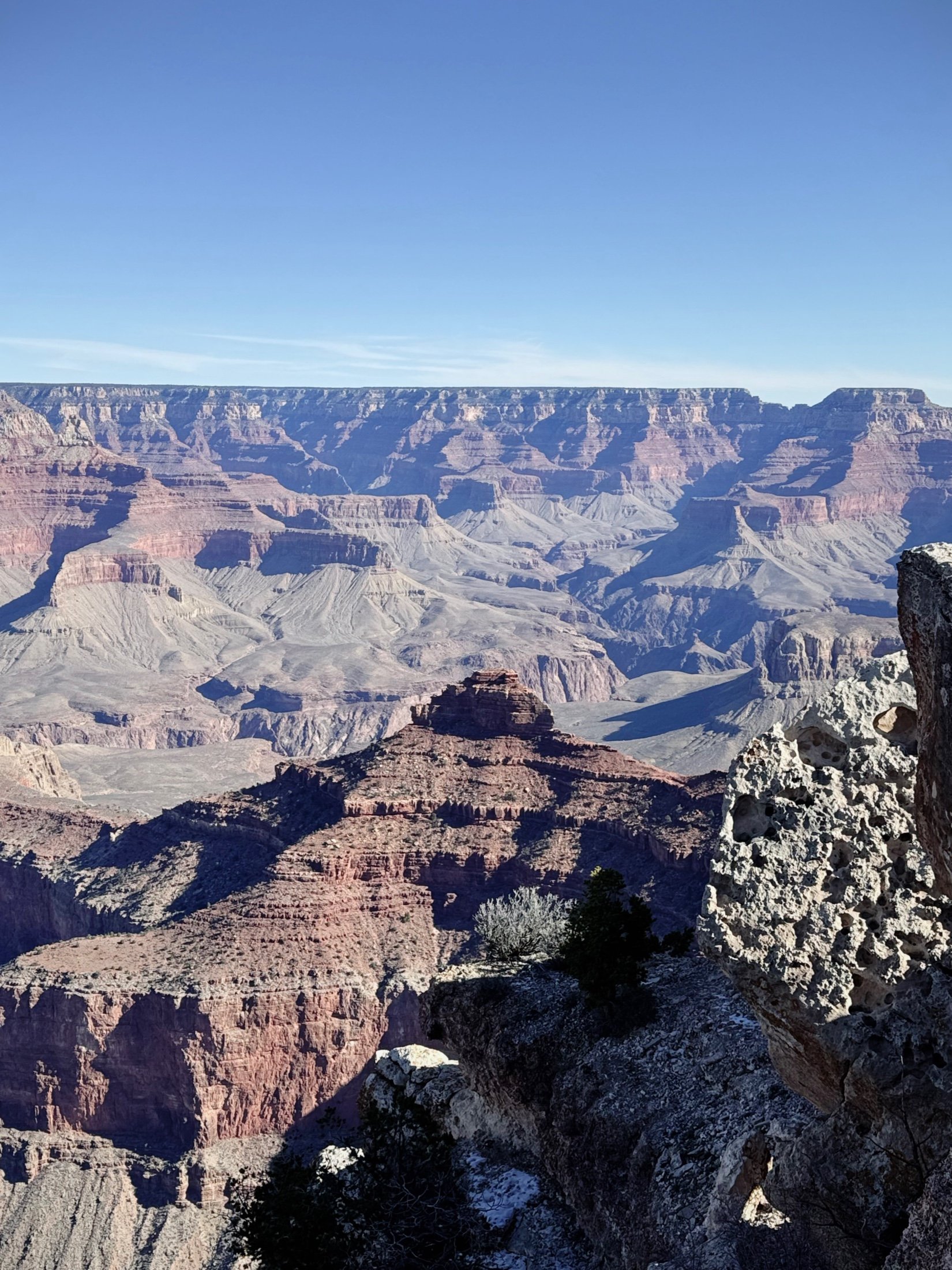
The first half of our US trip was the ambitious part: collect a campervan in Los Angeles, camp in Joshua Tree and at the Grand Canyon, continue to Royal Gorge in Colorado, and loop back through Utah and the California desert. We travelled from 24 to 31 January 2026. The photographs hold the scale of it: a breakfast table in the desert, the Grand Canyon opening into layers, the river at Horseshoe Bend, a suspension bridge above Royal Gorge, snow in Colorado, and a small desert pod at the end of a long drive.
I spent a lot of time planning the overnight stops. Here is the route and the practical groundwork I would keep for another trip. Our pace was demanding, especially in winter. Use it as inspiration and allow more time if you are trying campervan travel for the first time.
THE ROUTE AT A GLANCE
Los Angeles → Cottonwood Campground, Joshua Tree → Grand Canyon / Mather Campground → Horseshoe Bend → Royal Gorge, Colorado → Salt Lake City → Ridgecrest → Los Angeles.
The route graphic is a schematic of the main stops, not a road navigation map. This was a mixture of camping and booked accommodation: hiring a campervan did not mean sleeping in it every night.
BEFORE THE DRIVE: WHAT WE BOOKED
We arrived in Los Angeles on 23 January and had an airport hotel booked before the campervan pickup the following morning. Giving the arrival and rental collection separate days is a useful starting point after a long flight.
Our booking was with Travellers Autobarn in Los Angeles, at its Inglewood depot. The confirmation listed the Beeva Camper category for two travellers, pickup on 24 January and return to the same depot on 31 January. It billed eight rental days. The recorded total was USD 866.48, including the selected Protection Plus option, extras and tax; this is our historical booking, not a current quote. Fuel and overnight stays were separate.
The booking included cooking utensils and bedding, two camping chairs, an external table, a phone navigation device, unlimited mileage and winter equipment. We also selected a heated blanket and portable power station pack. The useful lesson is to price the complete setup: a low daily vehicle rate does not tell you what your trip will cost.
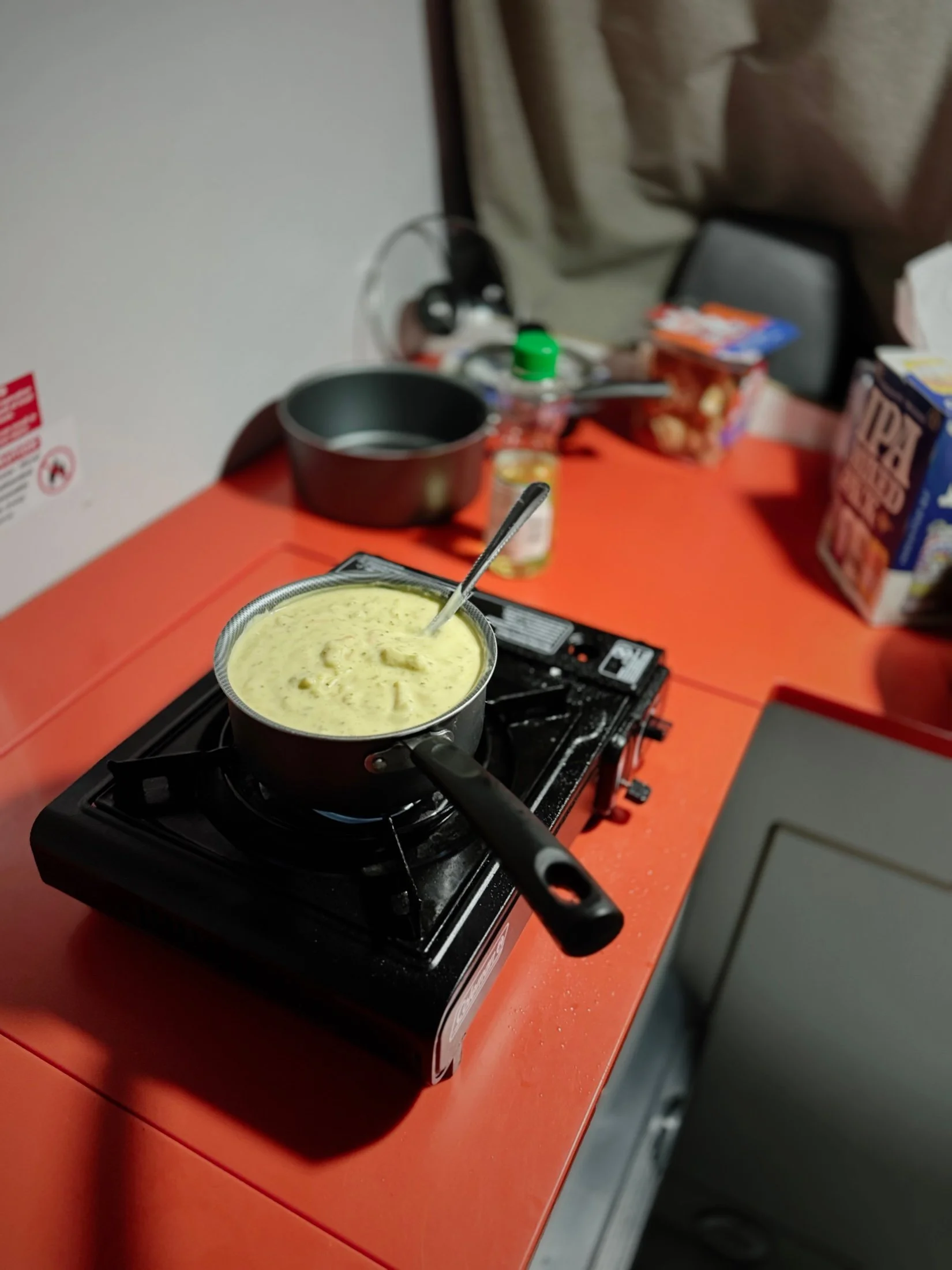
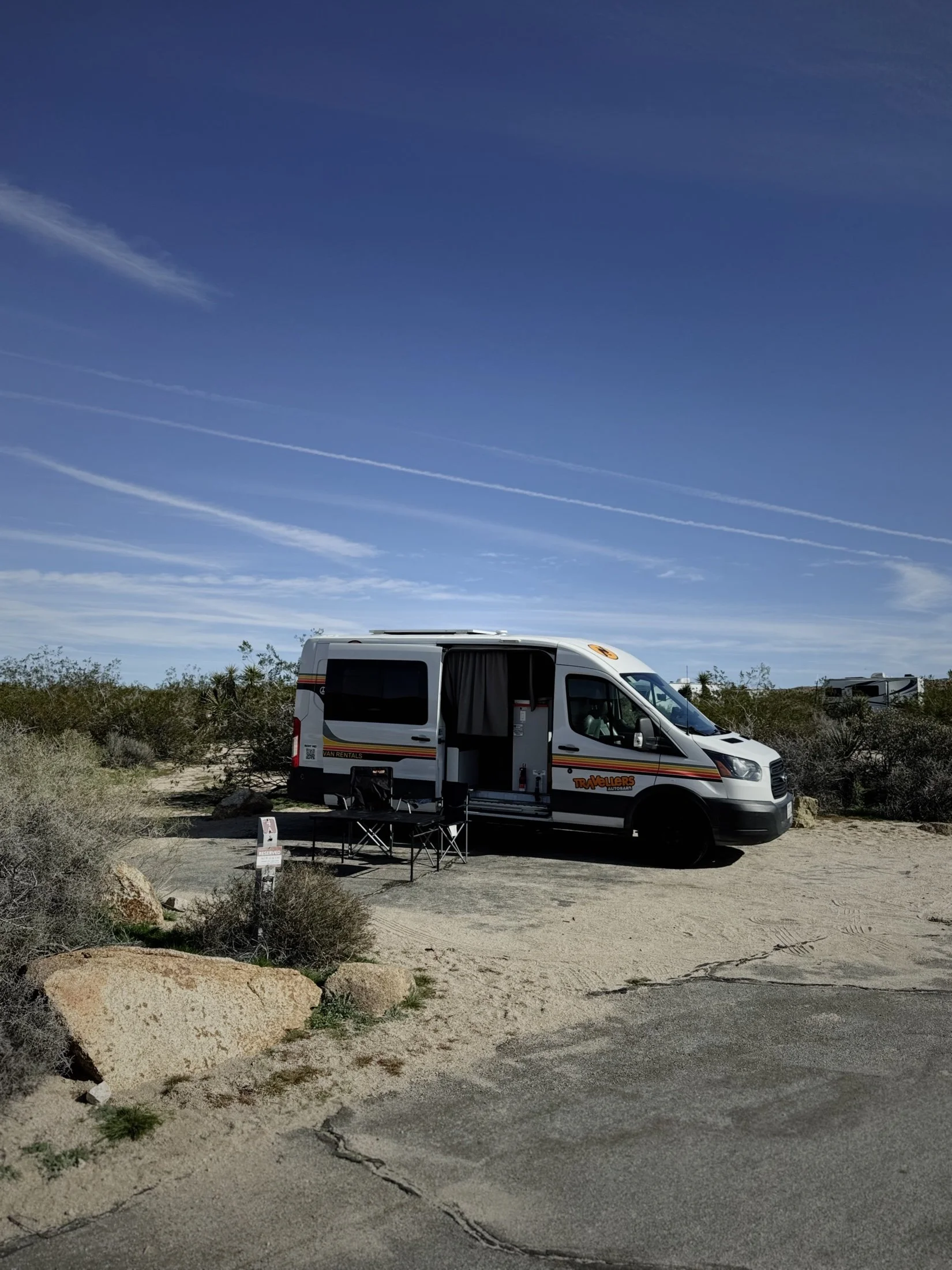
For a first rental, compare sleeping space, standing room, luggage storage, kitchen facilities, toilet/shower needs, heating while parked and campsite power requirements. Ask for a demonstration of the exact vehicle before leaving. Check the dimensions, fuel type, battery charging, fresh and waste water, and what equipment runs without an external power connection. Put every intended driver on the rental agreement and read the protection exclusions.
24 JANUARY — LOS ANGELES TO JOSHUA TREE
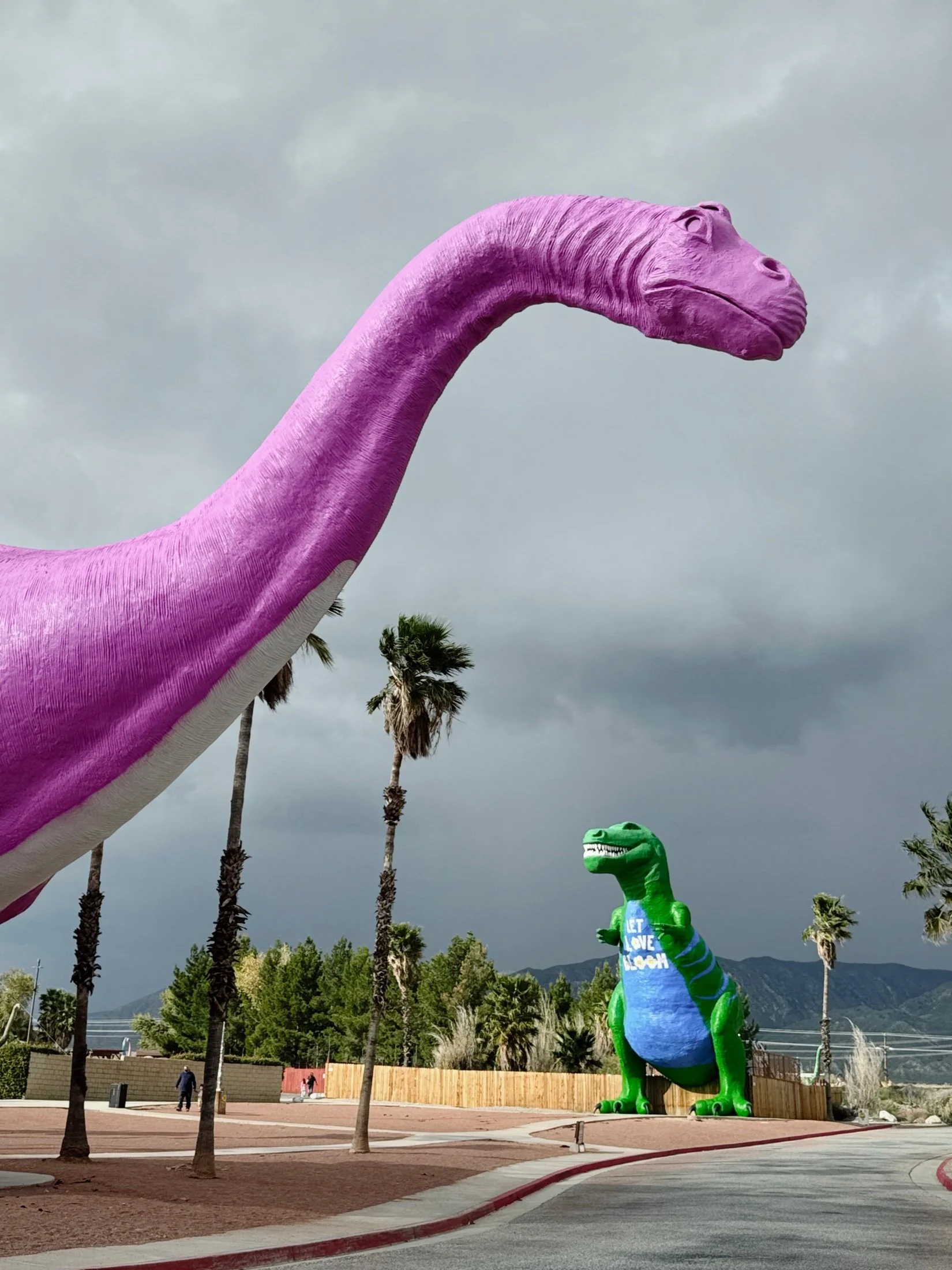
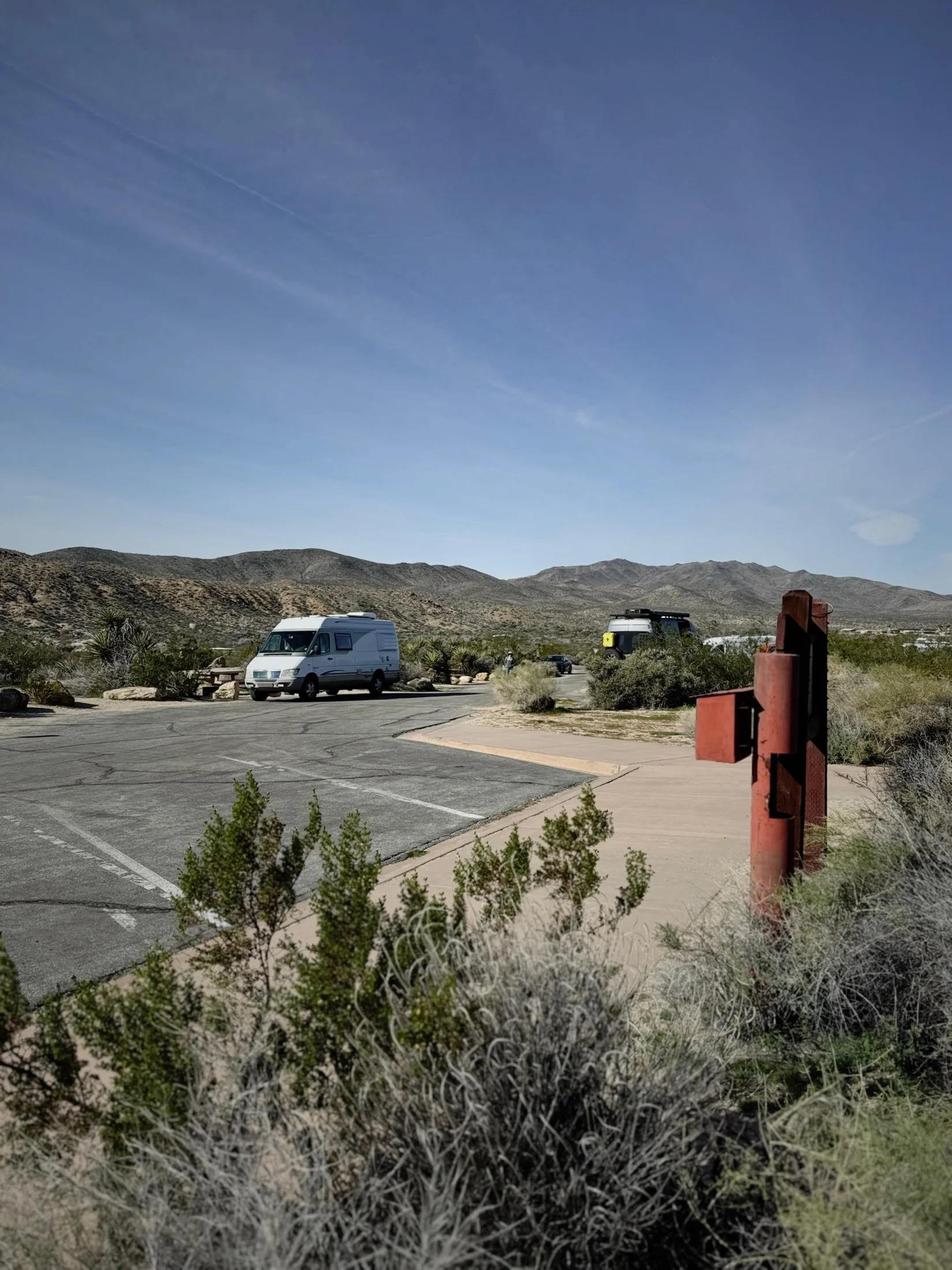
The day started at the rental depot. There was a stop at the giant dinosaurs at Cabazon before we reached the Joshua Tree area and continued to Cottonwood for the night. The next morning's pictures show the campsite in clear desert light and breakfast laid out outside: the smaller, everyday side of a road trip alongside the big scenery.
Cottonwood was our first booked overnight stop. Reserve the individual campsite for your actual vehicle, rather than assuming that every site in the same campground fits the same RV. Download the booking and approach directions before entering the park; phone coverage can be limited. Check water, power and shower arrangements separately. A national-park campsite and a full-service RV resort offer different facilities.
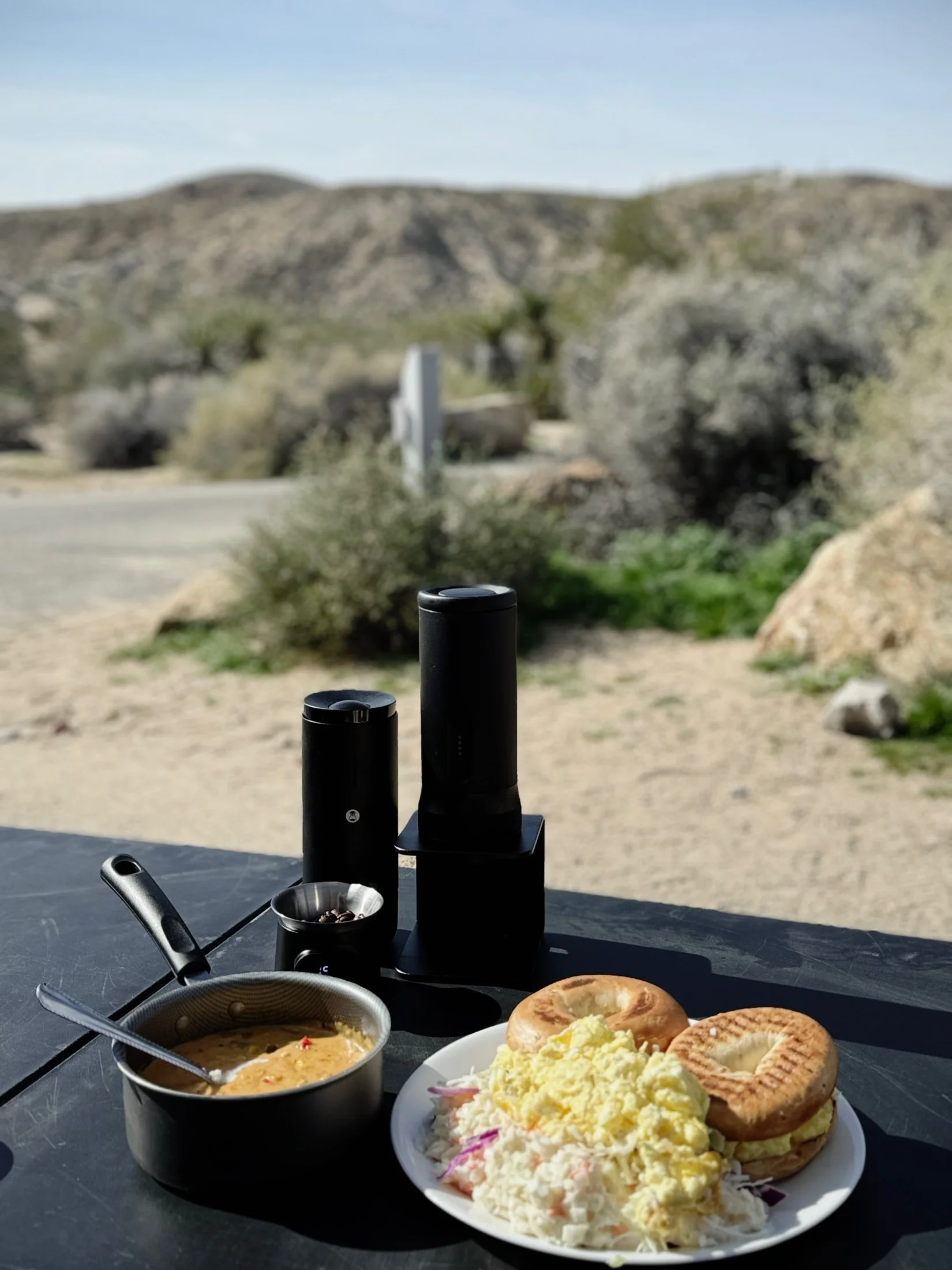
25 JANUARY — COTTONWOOD TO MATHER
Breakfast came before the drive towards the Grand Canyon. The photographs include a blue stretch of the Colorado River on the way and a fire after dark at Mather. Our Mather reservation ran from 25 to 27 January.
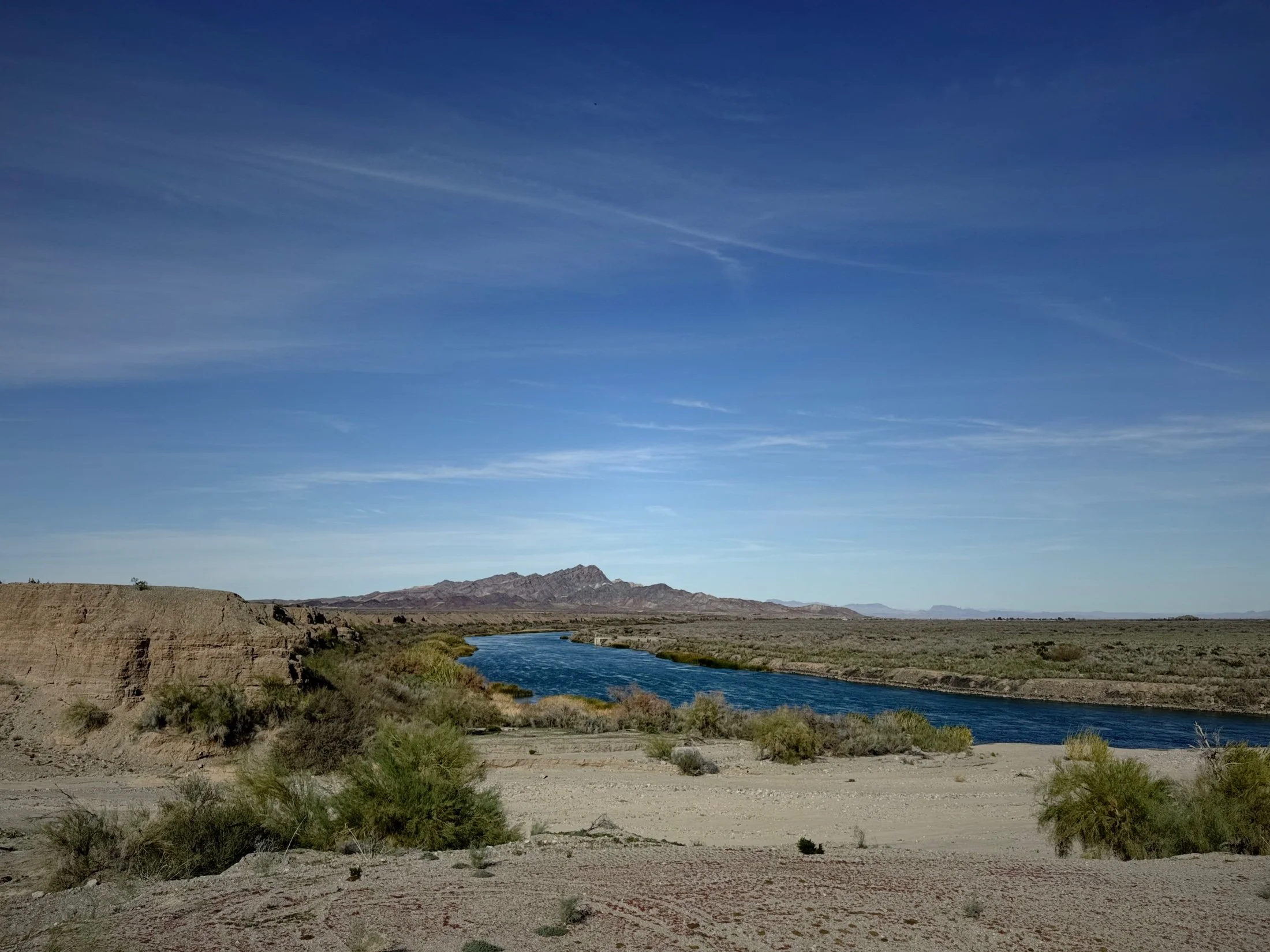
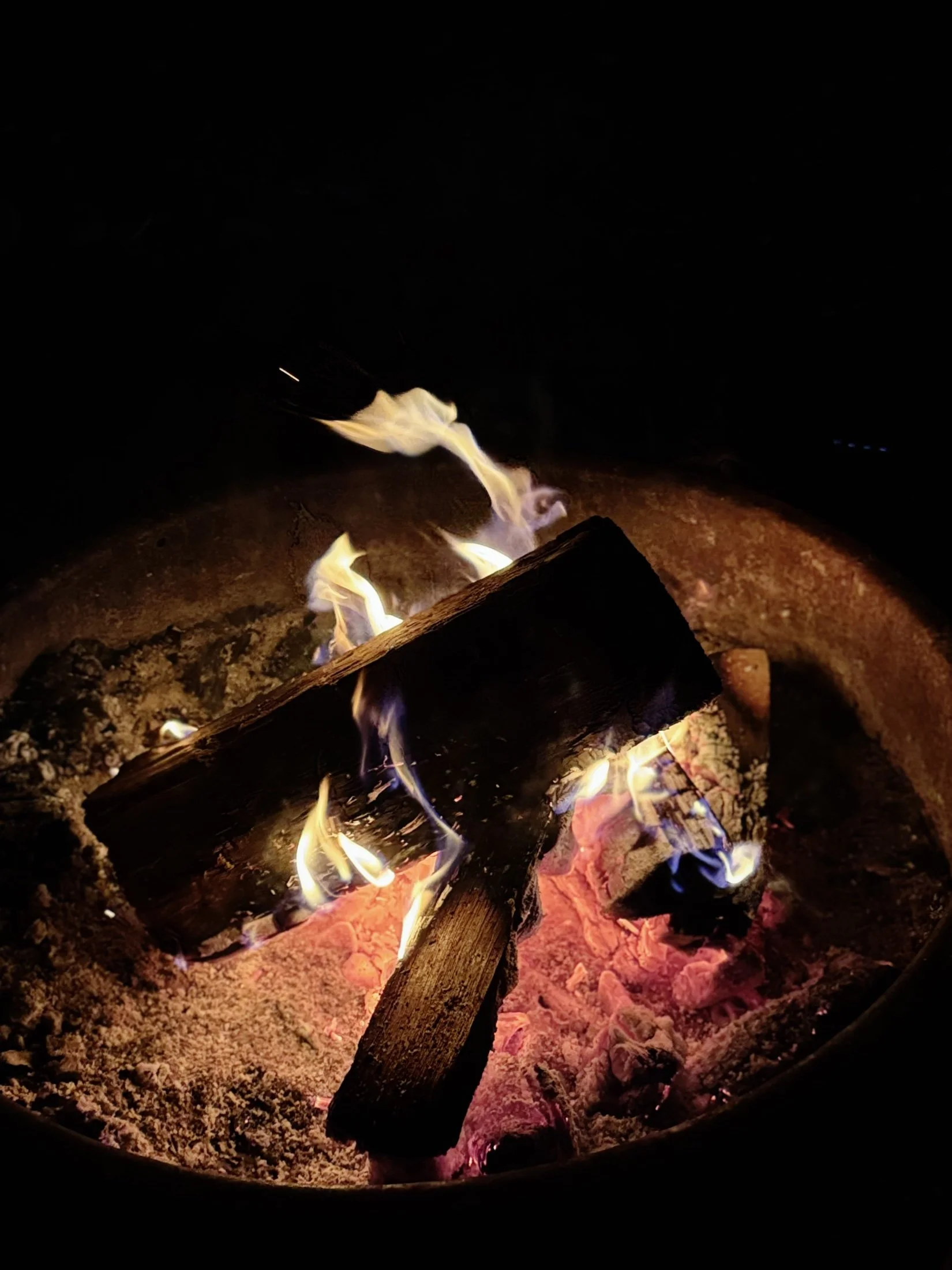
At the Grand Canyon, Mather is a South Rim campground. It has no electric, water or sewer hookups at the individual sites, so plan the van's power and water around that fact. Vehicle fit is site-specific; the park lists a maximum motorhome or trailer length of 30 feet. Check the current booking details and conditions before choosing a space. A campsite reservation also does not replace park entry arrangements.
26 JANUARY — GRAND CANYON AND HORSESHOE BEND
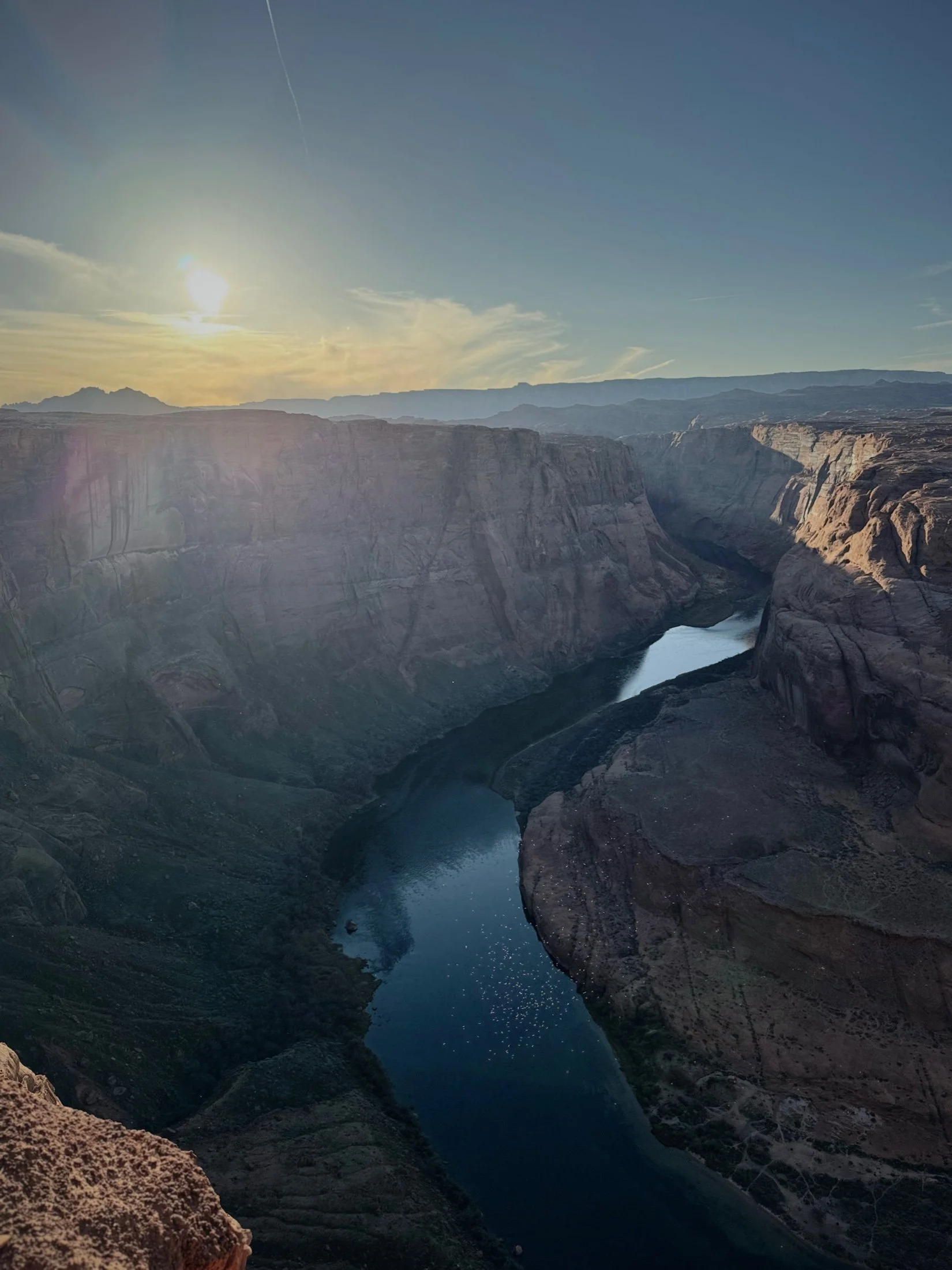
This was a big landscape day. The morning photographs move from the van's windows to the Grand Canyon's layered walls. Later in the afternoon, the river curves through Horseshoe Bend near Page. The two places look close in a photo sequence; they still require a substantial drive between them.
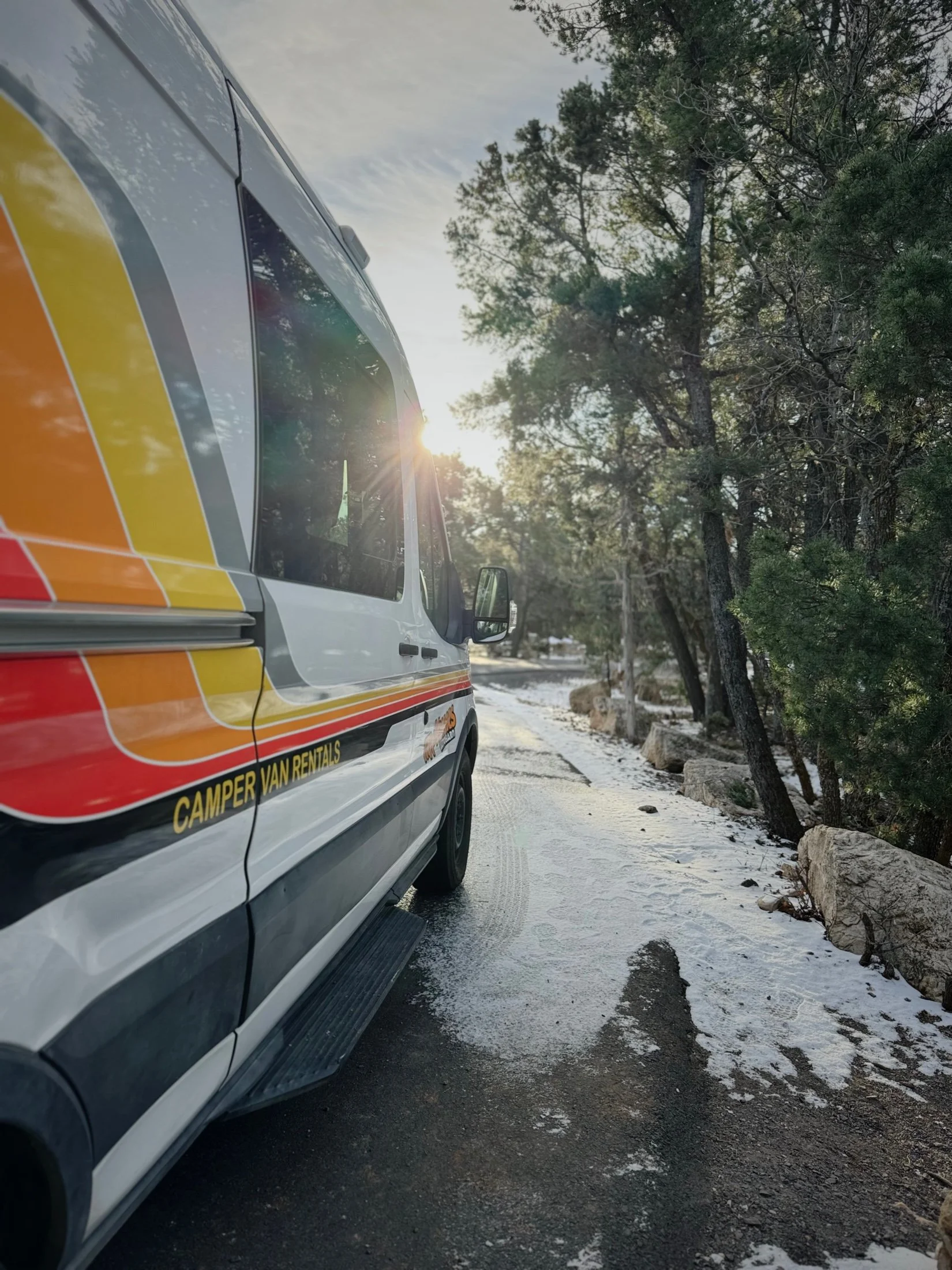
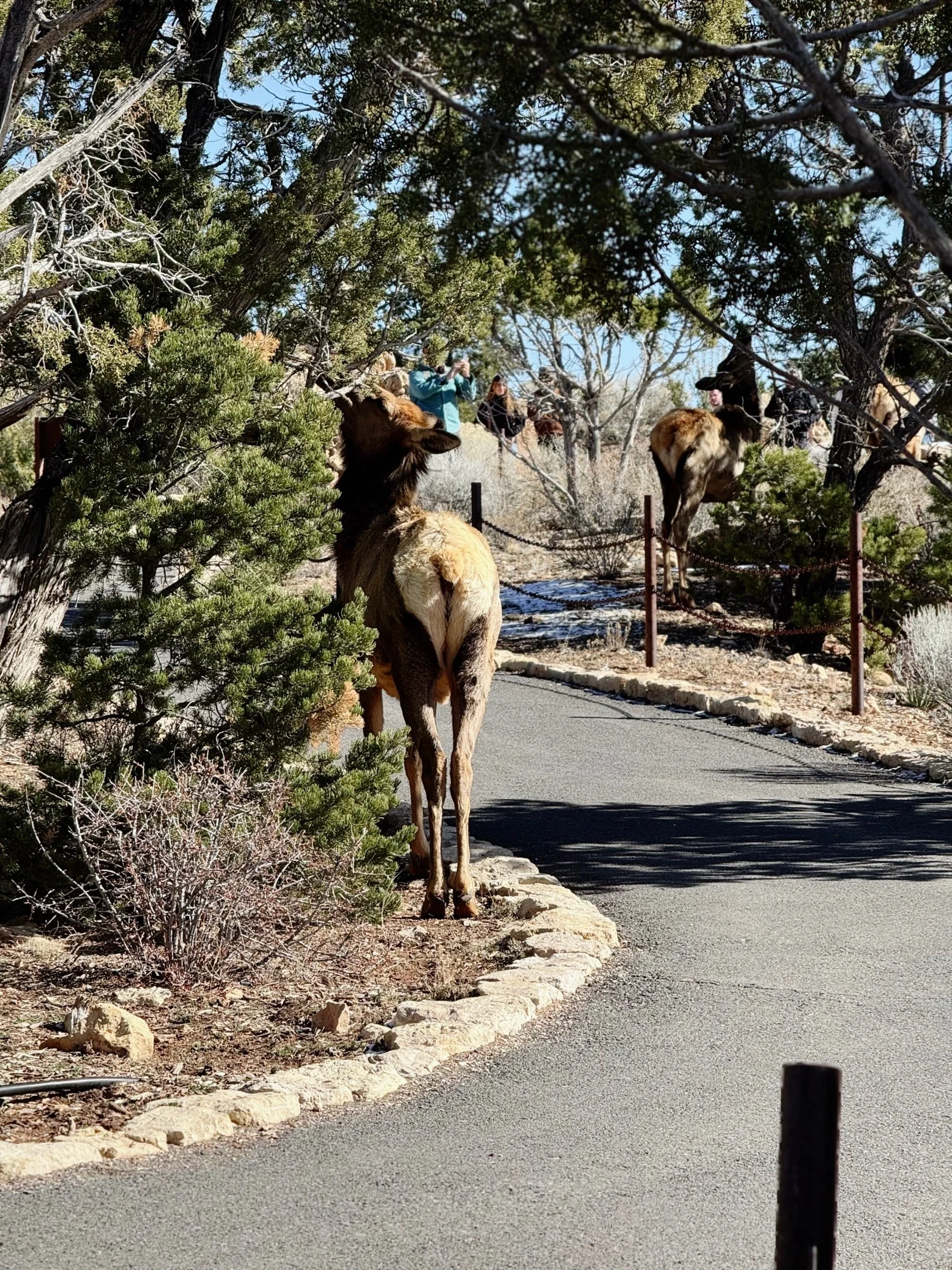
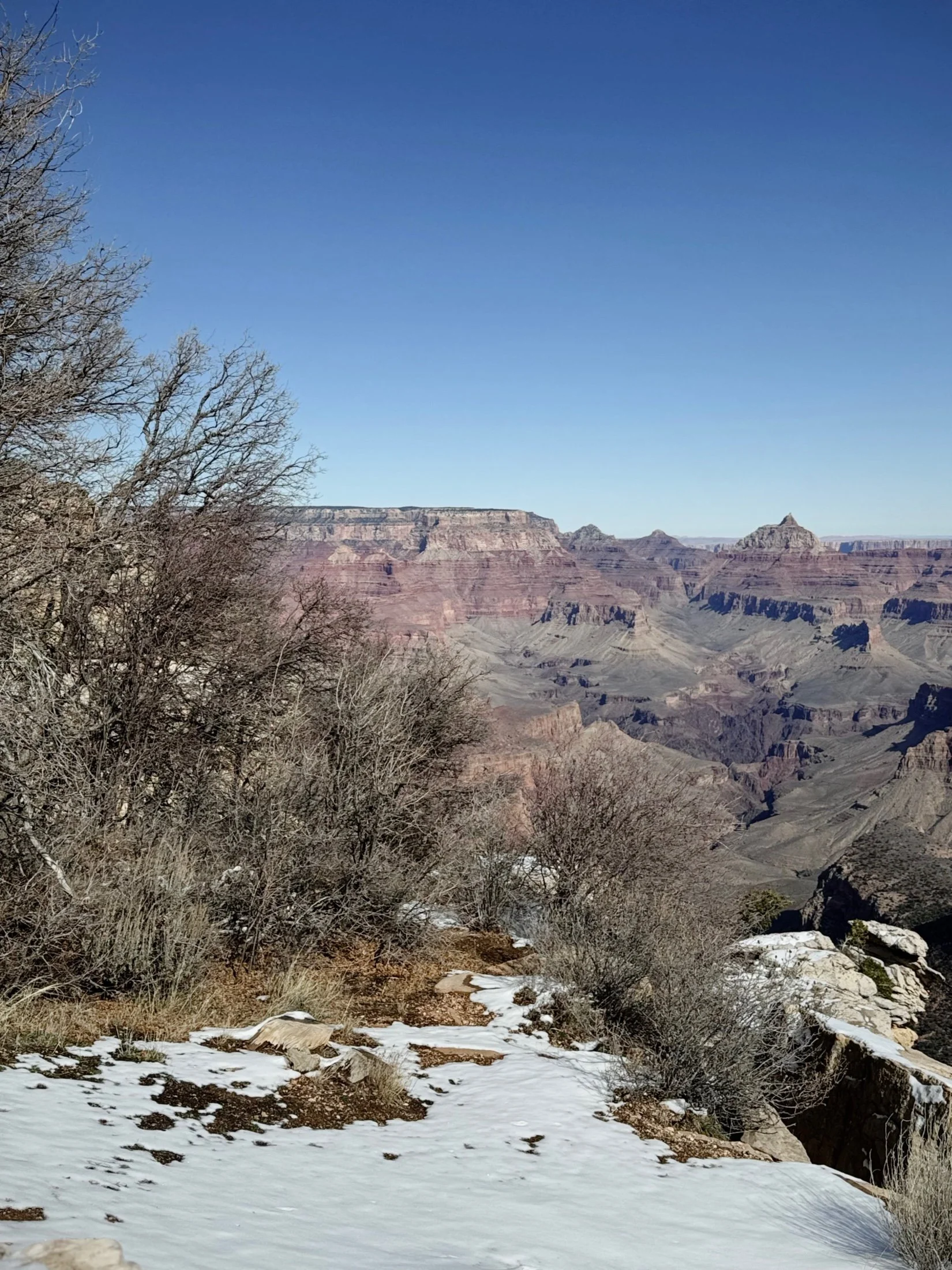
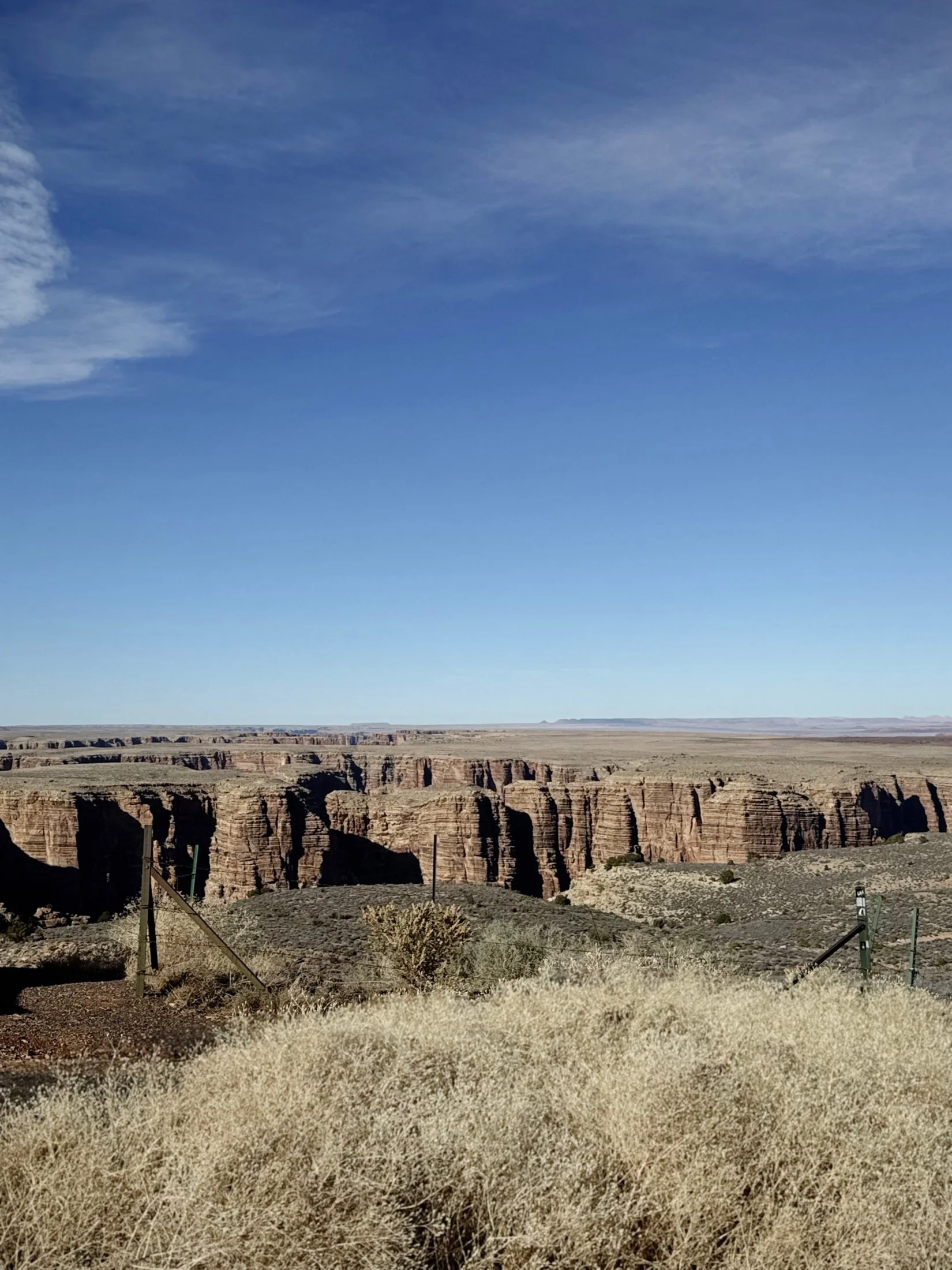
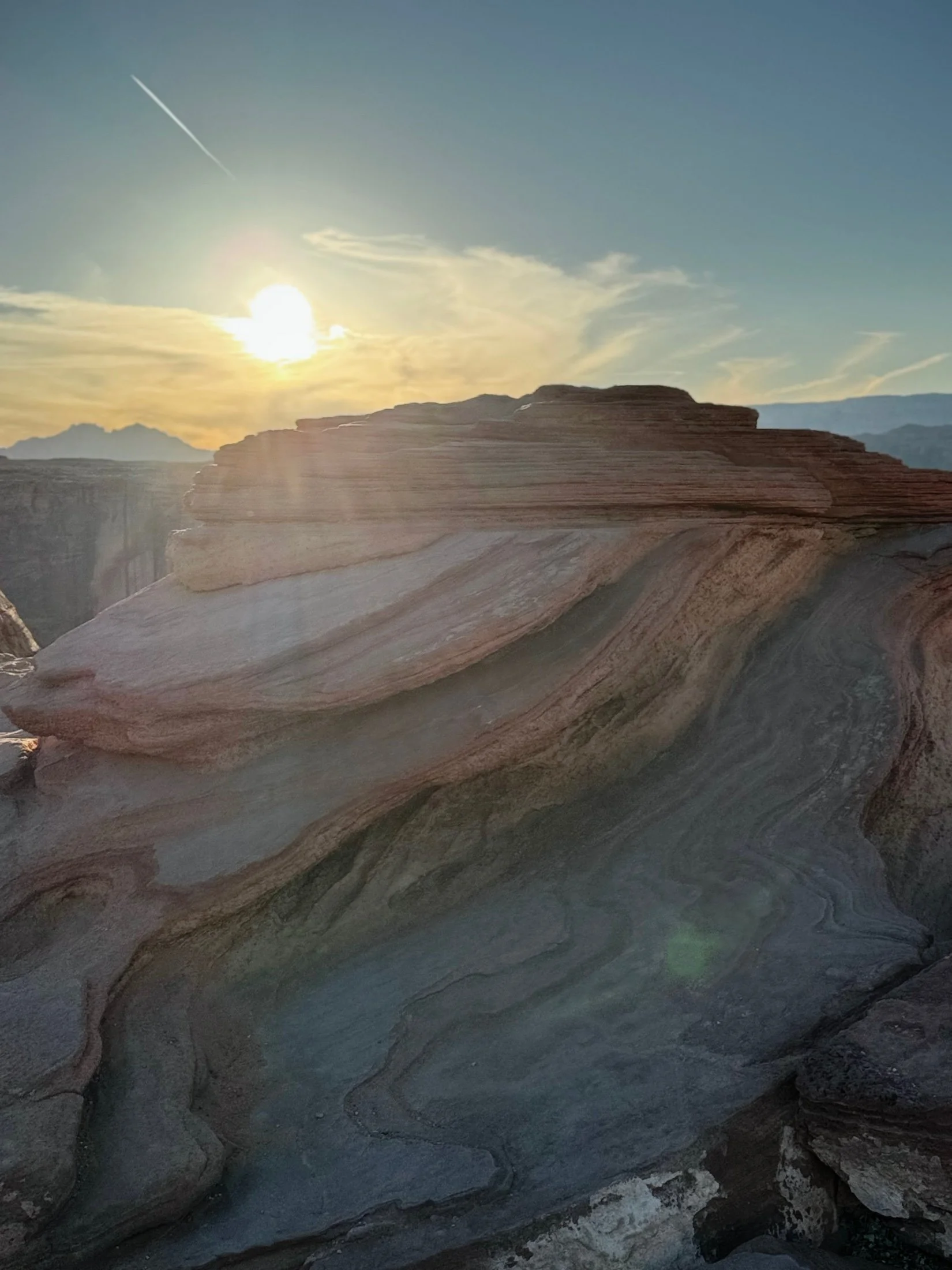
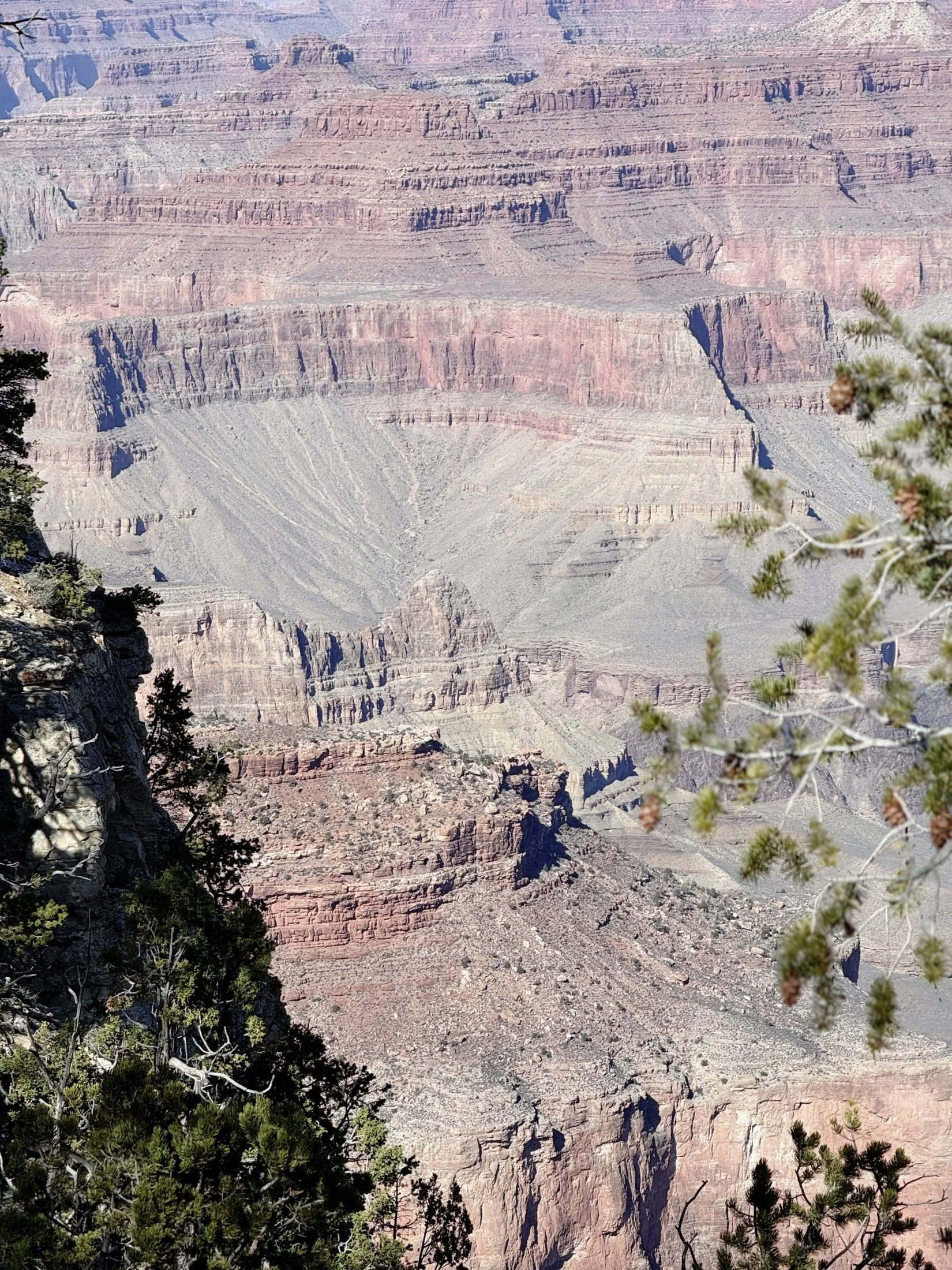
If I were building a gentler version, I would give the Grand Canyon and Page their own time. Leave room for parking, walking, food and changing winter conditions, rather than treating sunset as an appointment you must race to reach. Stay behind barriers and well back from unprotected edges when photographing the canyon.
27 JANUARY — INTO COLORADO
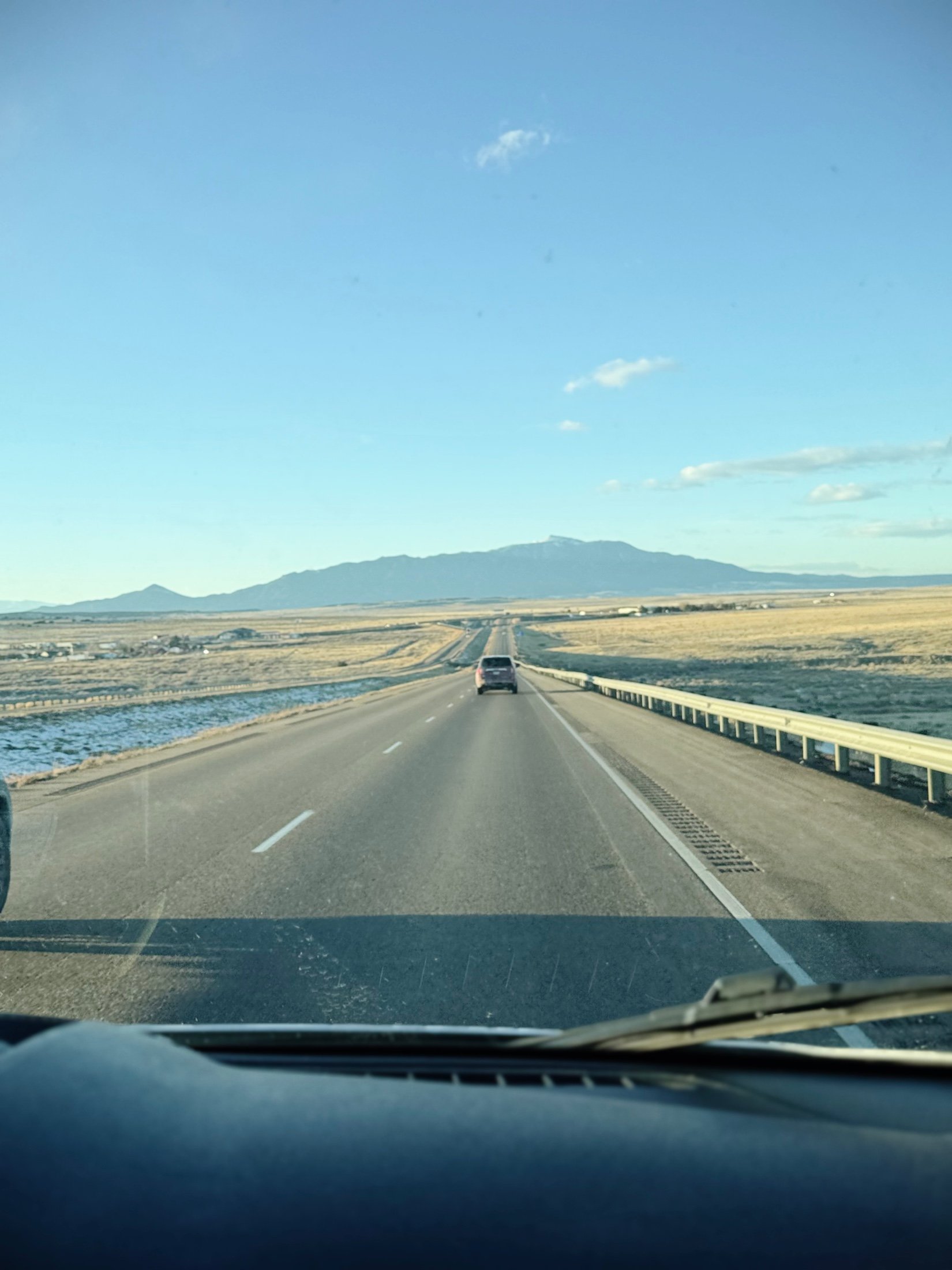
The camera roll becomes quieter on the long transfer day: open highway in the afternoon, then the interior of an A-frame cabin that evening. Royal Gorge RV Resort & Cabins was our booked base from 27 to 29 January. We mixed camping with cabin stays along the way.
For anyone following the broad route, this is where I would add an overnight break. Check the actual road routing and weather before committing to the distance. A sequence of famous places can make a very long day once the driving is added.
28 JANUARY — ROYAL GORGE AND A CHANGE OF SEASON
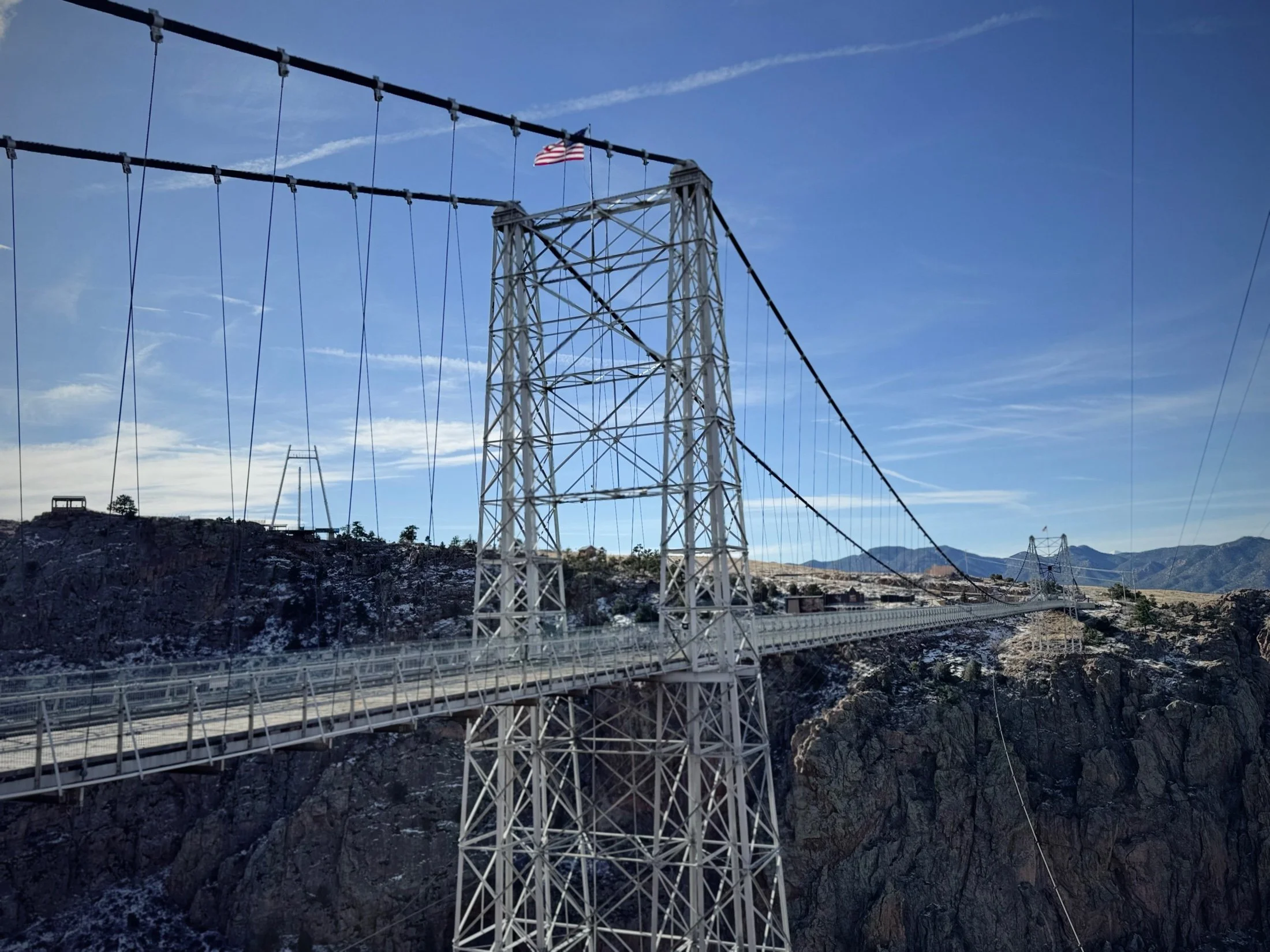
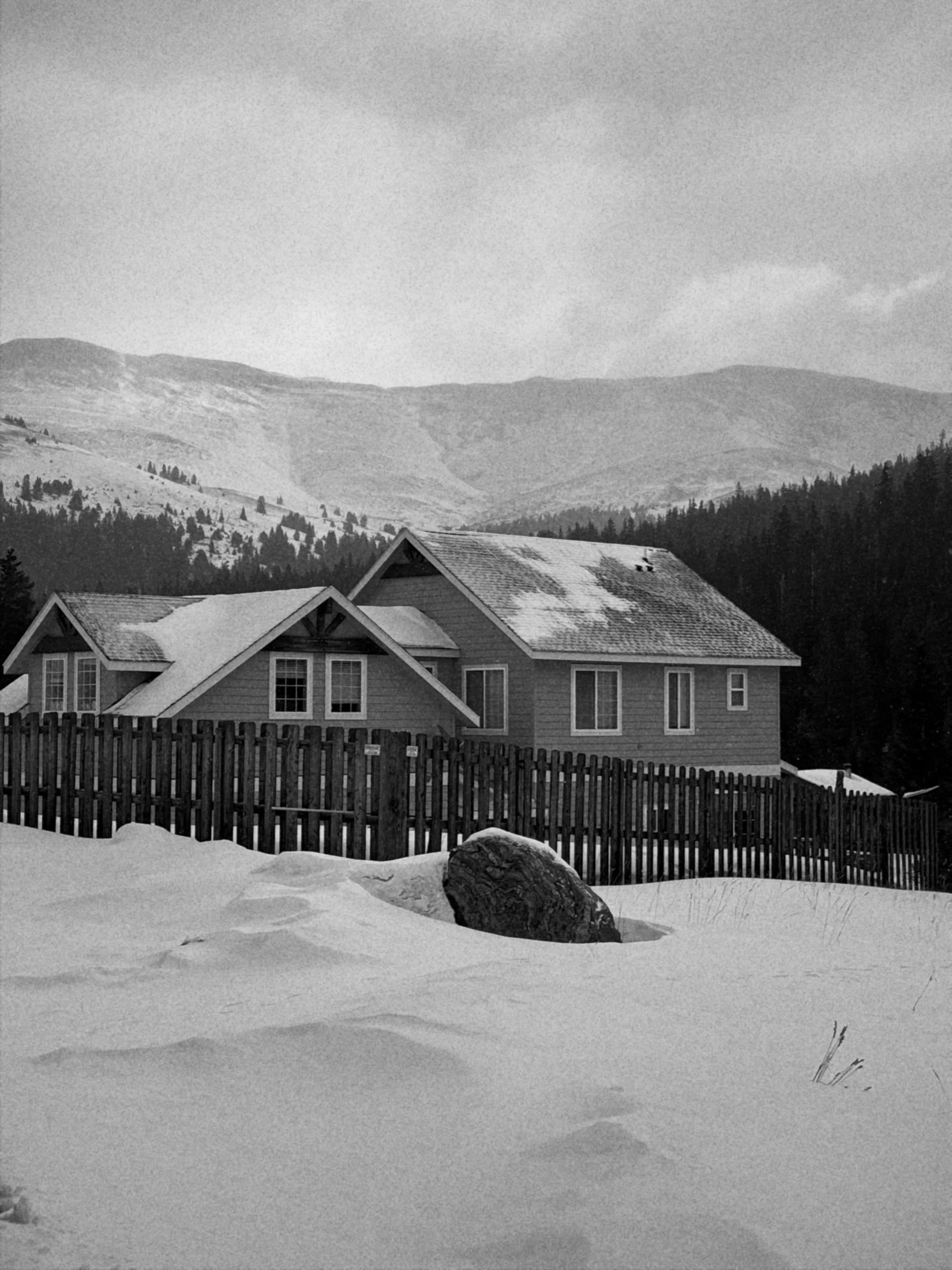
The Royal Gorge photographs show the suspension bridge spanning the canyon. Later pictures put snow back into the story. The contrast is striking: dry desert scenes at the beginning of the week and white ground in Colorado only a few days later.
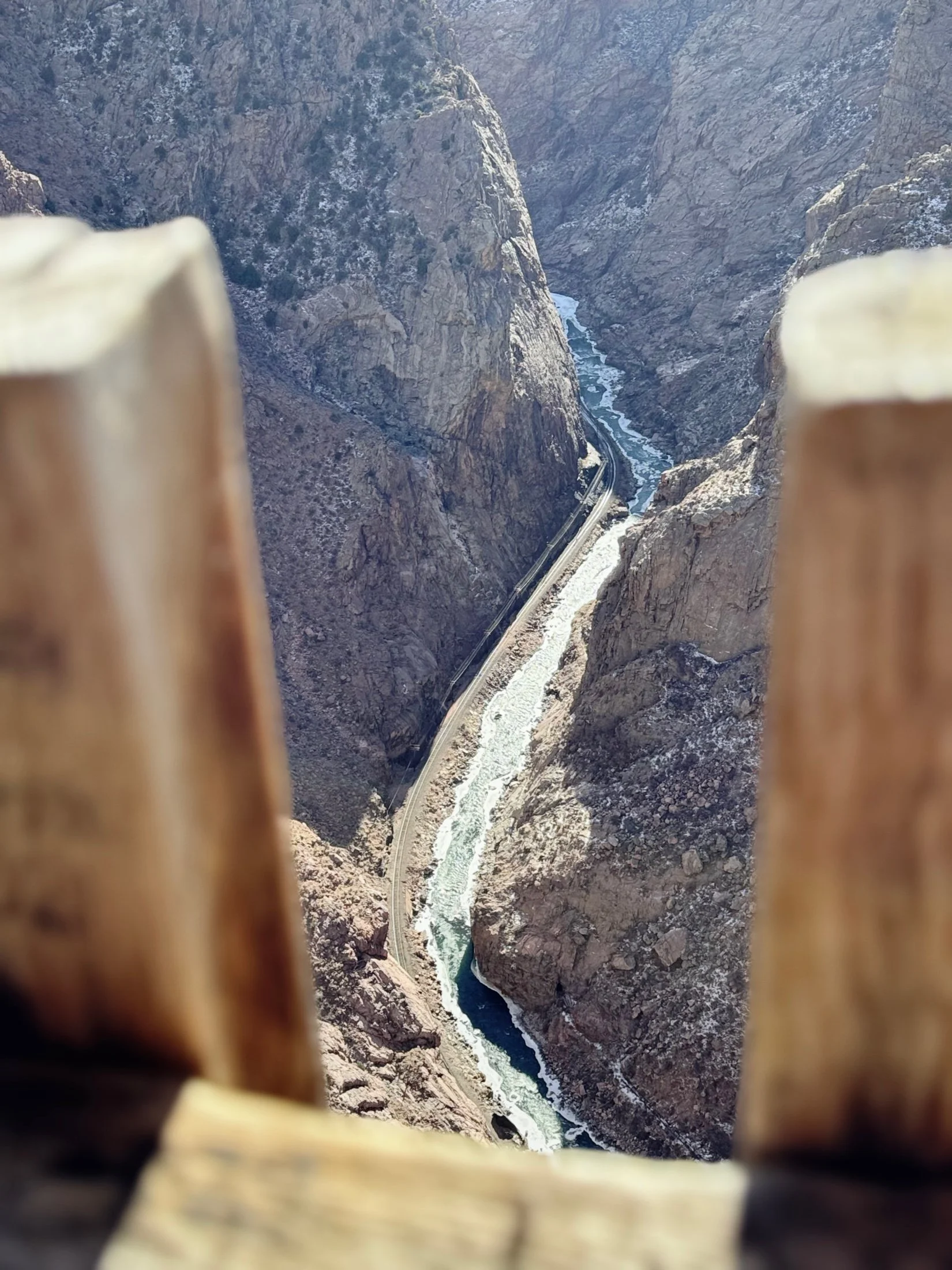
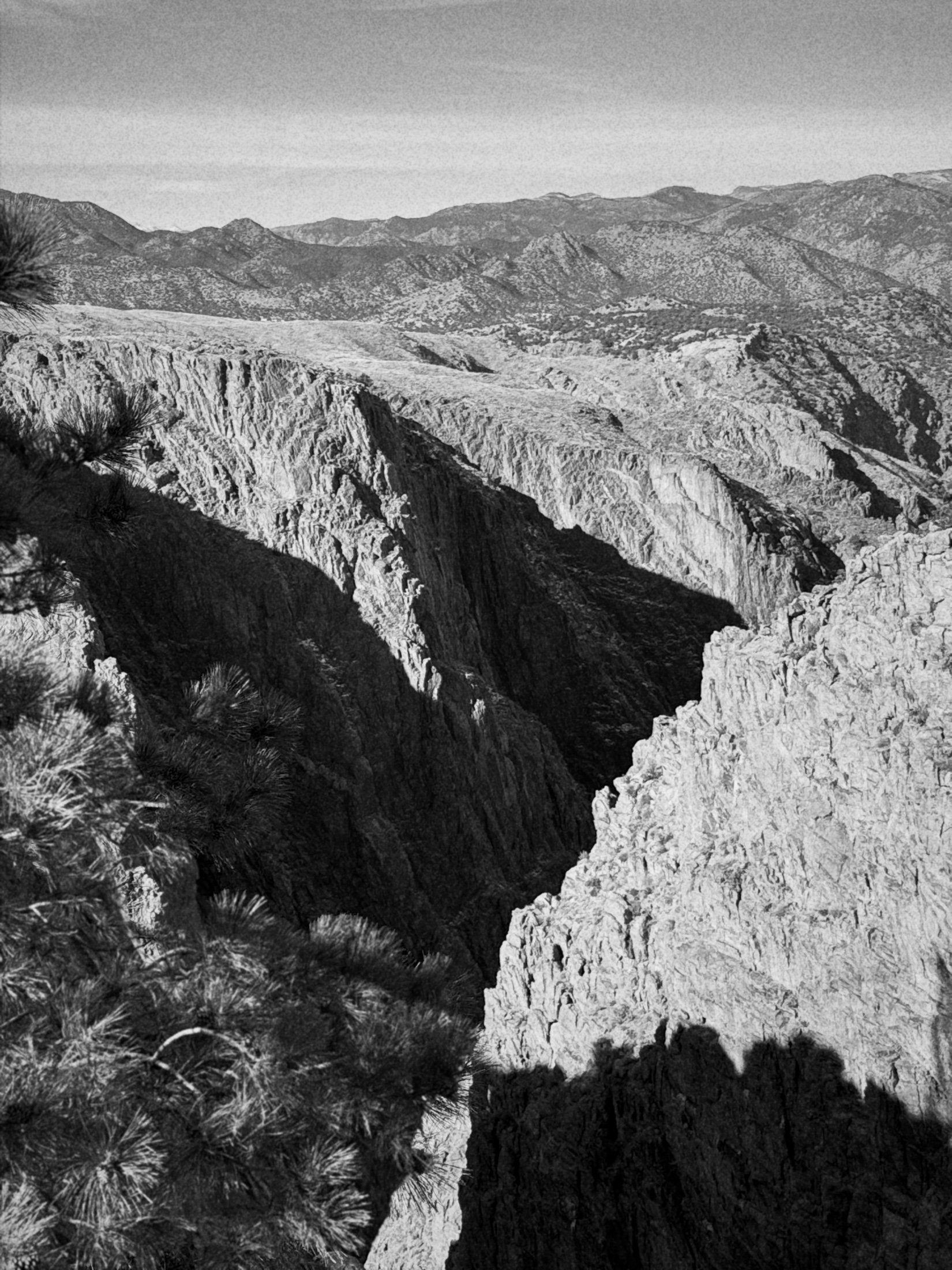
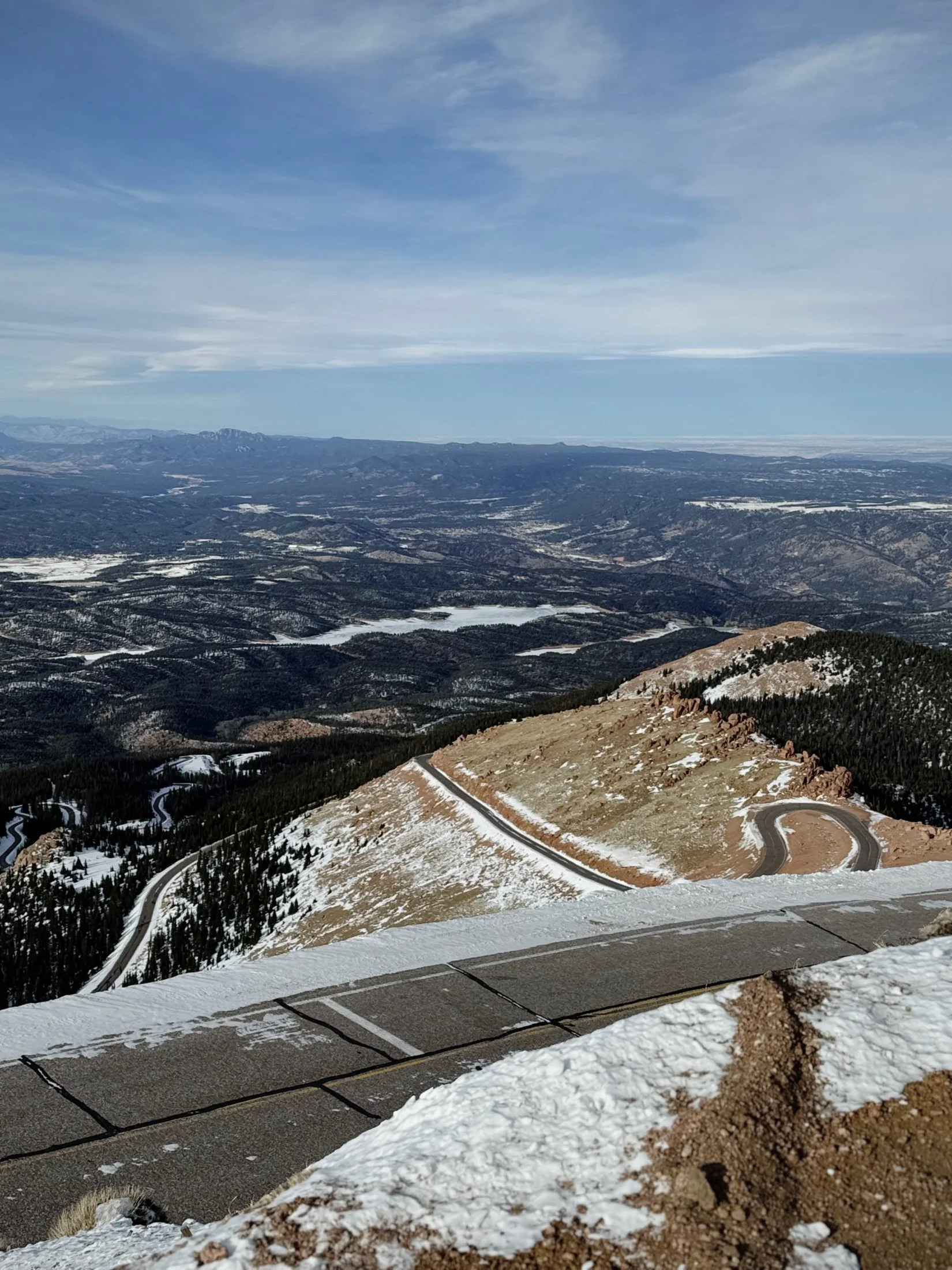
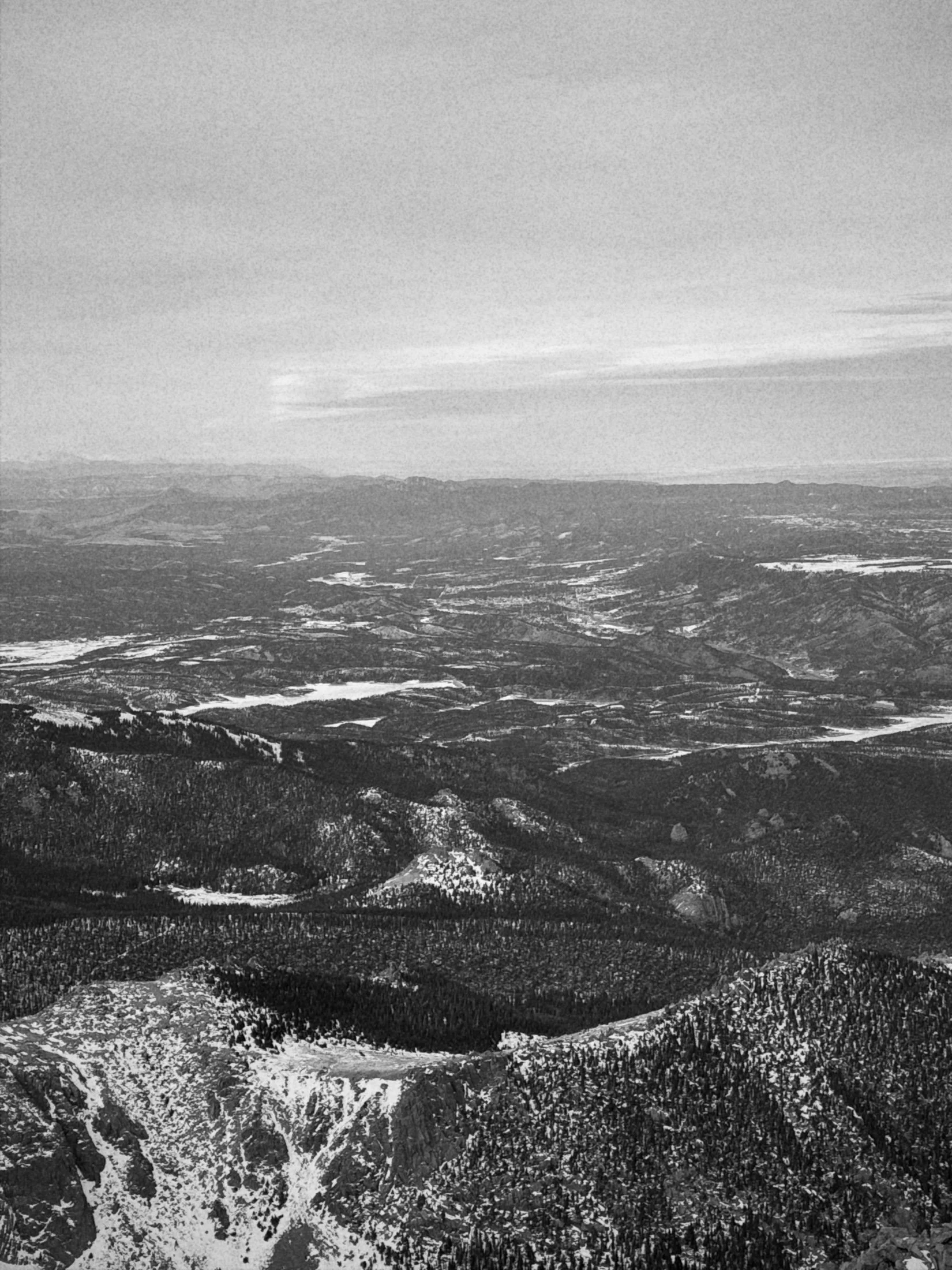
A winter itinerary needs a workable heating and sleeping plan, plus the freedom to change direction. Confirm what your rental permits in snow and what happens if traction requirements or closures affect the route. Check official road conditions each day. A campsite with electricity is only useful if the vehicle and supplied equipment can actually use it.
29 JANUARY — COLORADO TO UTAH
We left the Royal Gorge base and continued towards Salt Lake City, with snow-covered streets and changing landscapes in the day's photographs. Our itinerary included booked accommodation in the Salt Lake area that night.
This was another transfer-heavy day. Plan fuel, food and rest stops as part of the route. An overnight booking should help the journey work; it should not become a reason to push on through poor conditions or fatigue. Keep a shorter alternative available.
30 JANUARY — BACK TO THE CALIFORNIA DESERT
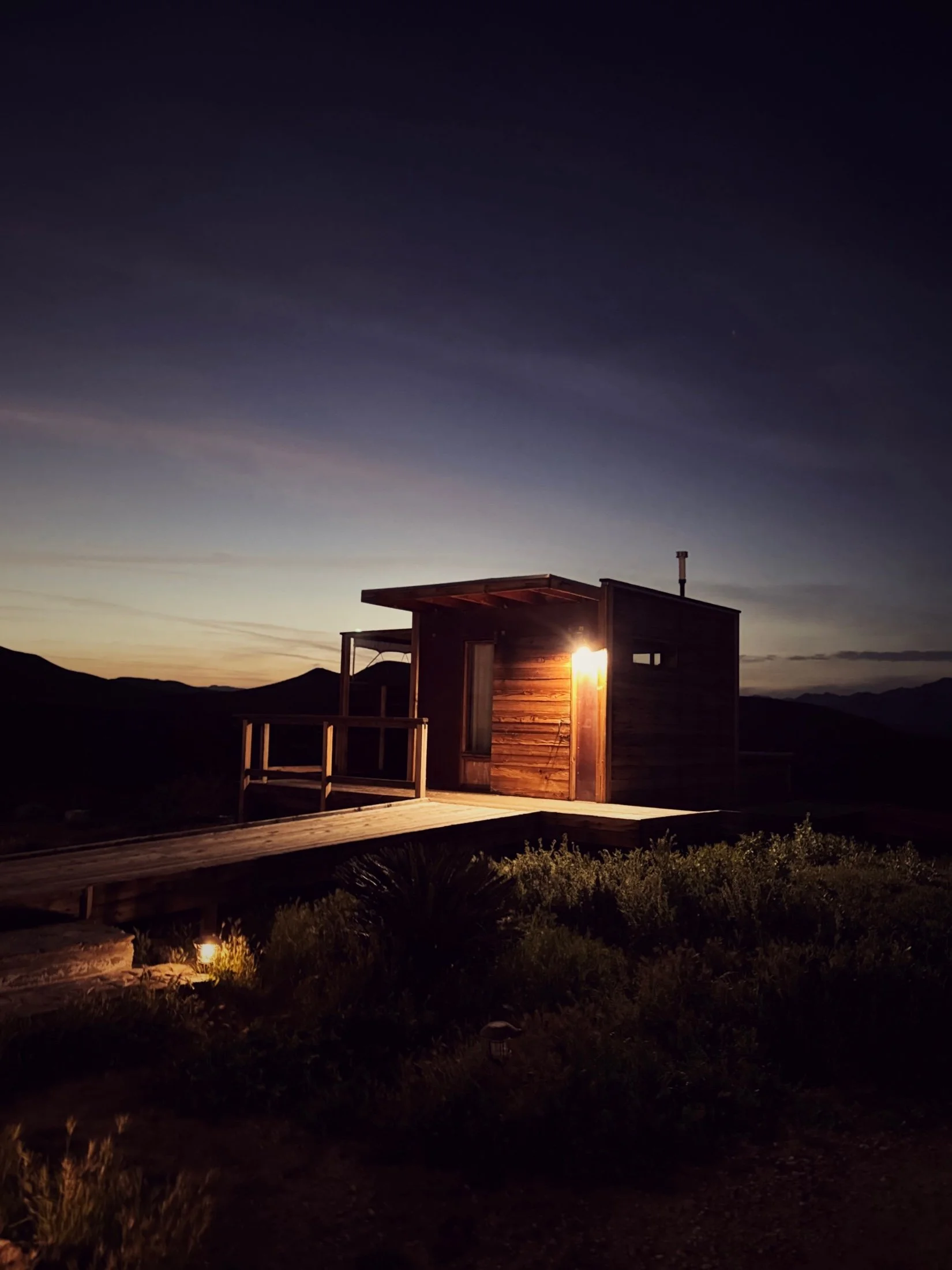
The route turned back towards California. Near Ridgecrest, the evening photographs show a small desert pod, the last light over open country and a fire outside. After the canyon viewpoints and snowy roads, this was a different scale of scene: one small place to stop for the night.
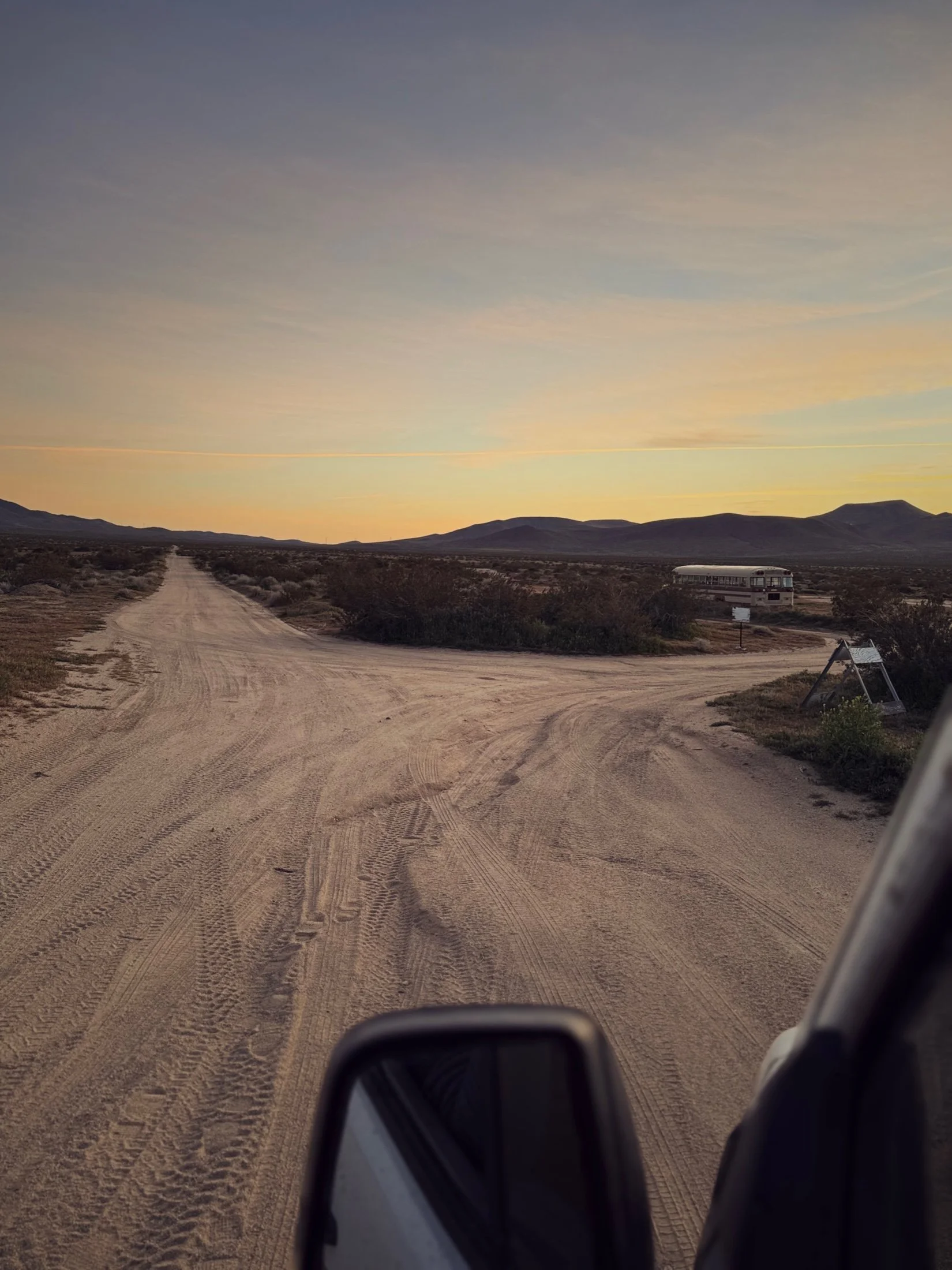
We had booked the desert pod separately from the campervan. For remote accommodation, save the arrival instructions while connected, confirm access for your vehicle, and arrange supplies before the final stretch. Check the property's rules and current fire restrictions before lighting any fire.
31 JANUARY — THE LOOP CLOSES IN LOS ANGELES
Morning photographs still show the desert stop before the return towards Los Angeles. The itinerary had the campervan return and a separate car rental on the same day, beginning the next part of our US trip. Keep the return day realistic: refuelling, packing, cleaning requirements, traffic and depot hours all need room in the schedule. Do not rely on an optimistic map estimate to make the handover.
MY FIRST-TIMER PLANNING CHECKLIST
1. Choose the vehicle and sleeping setup before booking campsites. Confirm the exact vehicle dimensions and the individual site's limits.
2. Book the overnight stops, then connect them with realistic driving days. Include daylight, meals, rest and weather delays.
3. Separate a campsite's amenities from the van's capabilities. Check power, water, toilets, showers and how the heating works while parked.
4. Save maps, campsite details and accommodation instructions offline. Keep a backup stop and enough supplies for a delay.
5. Budget for the whole trip: protection options, equipment, fuel, campground fees, park entry, food and any cabin nights.
6. Recheck conditions and rules for your dates. Our January 2026 bookings are a record of our trip, not a promise of today's prices or availability.
The big views deserve their place in the story. So do the planning, the camp breakfast, the cabin nights and the roads between them. Those are the details that turn a set of photographs into a trip someone else can begin to plan.